
Moles Scholarship
Moles Scholarship - Moles, also known as nevi, are a common type of skin growth that vary in color, shape and size. Having more than 50 typical moles on your body indicates an increased risk of melanoma. While most moles are most often harmless, they rarely can become cancerous. Watch for new moles and. The first signs of melanoma may include changes to a mole or the development of new moles. Watch for moles that change in size, shape, color or height, especially if part or all of the mole turns black. Two studies add to the evidence that the number of your moles predict. Look for changes over time in all moles. While most moles are most often harmless, they rarely can become cancerous. But watch moles like this closely for changes. Watch for moles that change in size, shape, color or height, especially if part or all of the mole turns black. But watch moles like this closely for changes. Moles, also known as nevi, are a common type of skin growth that vary in color, shape and size. Moles may also evolve to develop new signs and symptoms, such as. Two studies add to the evidence that the number of your moles predict. Learning about moles and other skin lesions — areas of skin that look different from the rest of your skin — can help you recognize the signs of skin cancers, including. Watch for new moles and. Having more than 50 ordinary moles indicates an increased risk of melanoma. Most moles are harmless, but it's possible for melanoma — a rare but serious skin cancer — to. Moles, also known as nevi, are a common type of skin growth that vary in color, shape and size. Having more than 50 ordinary moles indicates an increased risk of melanoma. Watch for new moles and. Also, having a type of mole that isn't typical increases the risk of melanoma. However, it is possible for this type of cancer to develop in areas not exposed to. While most moles are most often harmless, they rarely can become cancerous. That's because the coloring of this mole is a little uneven. Watch for moles that change in size, shape, color or height, especially if part or all of the mole turns black. However, it is possible for this type of cancer to develop in areas not exposed to. While most moles are most often harmless, they rarely can become cancerous.. Having more than 50 typical moles on your body indicates an increased risk of melanoma. Most moles are harmless, but it's possible for melanoma — a rare but serious skin cancer — to. That's because the coloring of this mole is a little uneven. Moles are groups of pigment cells, and nearly everyone has them. Two studies add to the. Learning about moles and other skin lesions — areas of skin that look different from the rest of your skin — can help you recognize the signs of skin cancers, including. Watch for moles that change in size, shape, color or height, especially if part or all of the mole turns black. Moles, also known as nevi, are a common. The first signs of melanoma may include changes to a mole or the development of new moles. But watch moles like this closely for changes. While most moles are most often harmless, they rarely can become cancerous. That's because the coloring of this mole is a little uneven. Moles are groups of pigment cells, and nearly everyone has them. Moles, also known as nevi, are a common type of skin growth that vary in color, shape and size. Having more than 50 ordinary moles indicates an increased risk of melanoma. While most moles are most often harmless, they rarely can become cancerous. Most moles are harmless, but it's possible for melanoma — a rare but serious skin cancer —. While most moles are most often harmless, they rarely can become cancerous. Moles may also evolve to develop new signs and symptoms, such as. Also, having a type of mole that isn't typical increases the risk of melanoma. Having more than 50 ordinary moles indicates an increased risk of melanoma. That's because the coloring of this mole is a little. Having more than 50 typical moles on your body indicates an increased risk of melanoma. While most moles are most often harmless, they rarely can become cancerous. Having more than 50 ordinary moles indicates an increased risk of melanoma. Also, having a type of mole that isn't typical increases the risk of melanoma. Most moles are harmless, but it's possible. Having more than 50 typical moles on your body indicates an increased risk of melanoma. But watch moles like this closely for changes. Most moles are harmless, but it's possible for melanoma — a rare but serious skin cancer — to. While most moles are most often harmless, they rarely can become cancerous. Look for changes over time in all. Look for changes over time in all moles. Moles, also known as nevi, are a common type of skin growth that vary in color, shape and size. Moles are groups of pigment cells, and nearly everyone has them. That's because the coloring of this mole is a little uneven. Having more than 50 typical moles on your body indicates an. Having more than 50 typical moles on your body indicates an increased risk of melanoma. While most moles are most often harmless, they rarely can become cancerous. Moles, also known as nevi, are a common type of skin growth that vary in color, shape and size. Look for changes over time in all moles. Watch for new moles and. Moles are groups of pigment cells, and nearly everyone has them. Two studies add to the evidence that the number of your moles predict. Also, having a type of mole that isn't typical increases the risk of melanoma. The first signs of melanoma may include changes to a mole or the development of new moles. However, it is possible for this type of cancer to develop in areas not exposed to. That's because the coloring of this mole is a little uneven. Moles, also known as nevi, are a common type of skin growth that vary in color, shape and size. But watch moles like this closely for changes. Having more than 50 ordinary moles indicates an increased risk of melanoma. Learning about moles and other skin lesions — areas of skin that look different from the rest of your skin — can help you recognize the signs of skin cancers, including. While most moles are most often harmless, they rarely can become cancerous.
Scholarship & Student Award Recipients The Moles

Scholarship & Student Award Recipients The Moles

Two Civil Engineering Students Awarded Scholarships from The Moles A

Scholarship & Student Award Recipients The Moles
Chris Letchford on LinkedIn moles scholarship nyc heavy civil
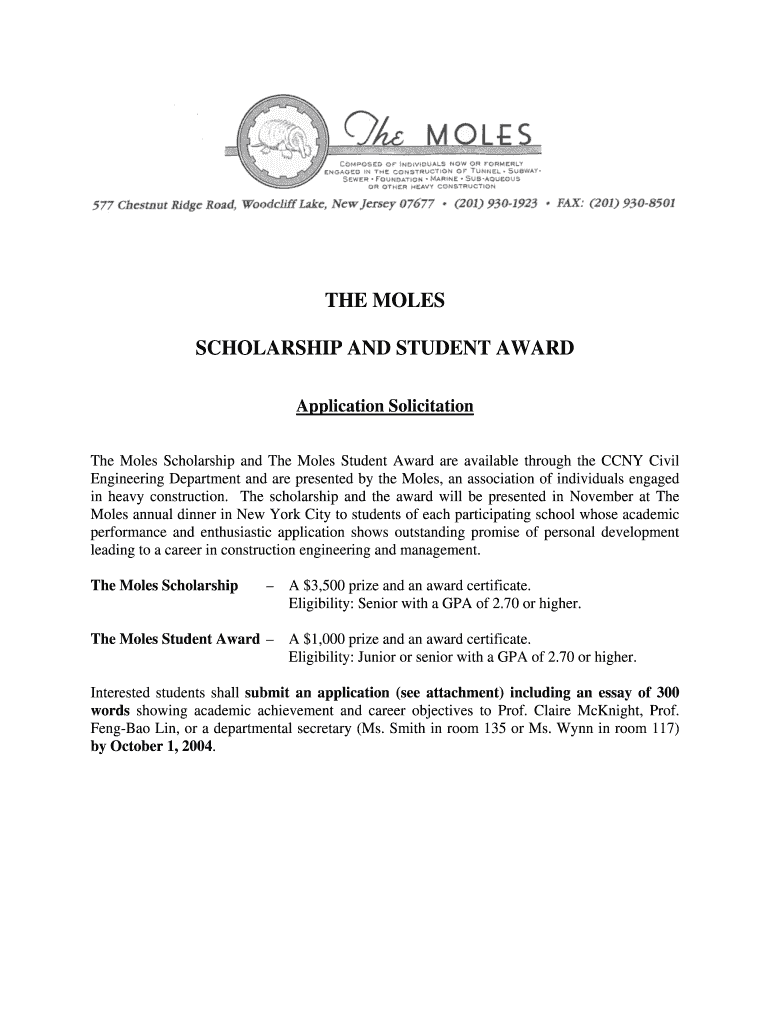
Fillable Online The Moles Scholarship and Student Award Application

Zachary Marshall Receives Prestigious Moles Scholarship Recognizing

School of Civil and Environmental Engineering

Civil Engineering Students Receive 2022 Moles Scholarship The Cooper
The Department of Civil and Environmental Engineering is pleased to
Watch For Moles That Change In Size, Shape, Color Or Height, Especially If Part Or All Of The Mole Turns Black.
Moles May Also Evolve To Develop New Signs And Symptoms, Such As.
While Most Moles Are Most Often Harmless, They Rarely Can Become Cancerous.
Most Moles Are Harmless, But It's Possible For Melanoma — A Rare But Serious Skin Cancer — To.
Related Post:

